ISA-CERTIFIED ARBORISTS • SERVING GREATER SEATTLE
Crown Reduction
Reduce weight, wind resistance & risk while preserving your tree’s natural shape and long-term health.
✓ Licensed, Insured & Bonded ✓ ISA-Certified ✓ 24/7 Emergency
- Est. 2010Serving the Puget Sound
- ISA CertifiedArborists on staff
- Licensed, Insured & BondedWA #SOUNDPL826DZ
- 4.7 out of 5517 reviews across 3 sites
- 24/7Emergency response
Crown Reduction
Trees are of significant value and benefit to the environment. When your trees mature, they offer us a wide range of benefits and deserve to be taken care of. Devoted Tree Solutions will help you in various activities that promote proper tree growth. We take pride in offering tree maintenance services to improve our community. There are so many techniques that can be used in improving the growth of the trees, and crown reduction is one such technique. This is the type of pruning that we offer for mature trees. Schedule your Seattle tree crown reduction service today!
What Does Crown Reduction Entail?
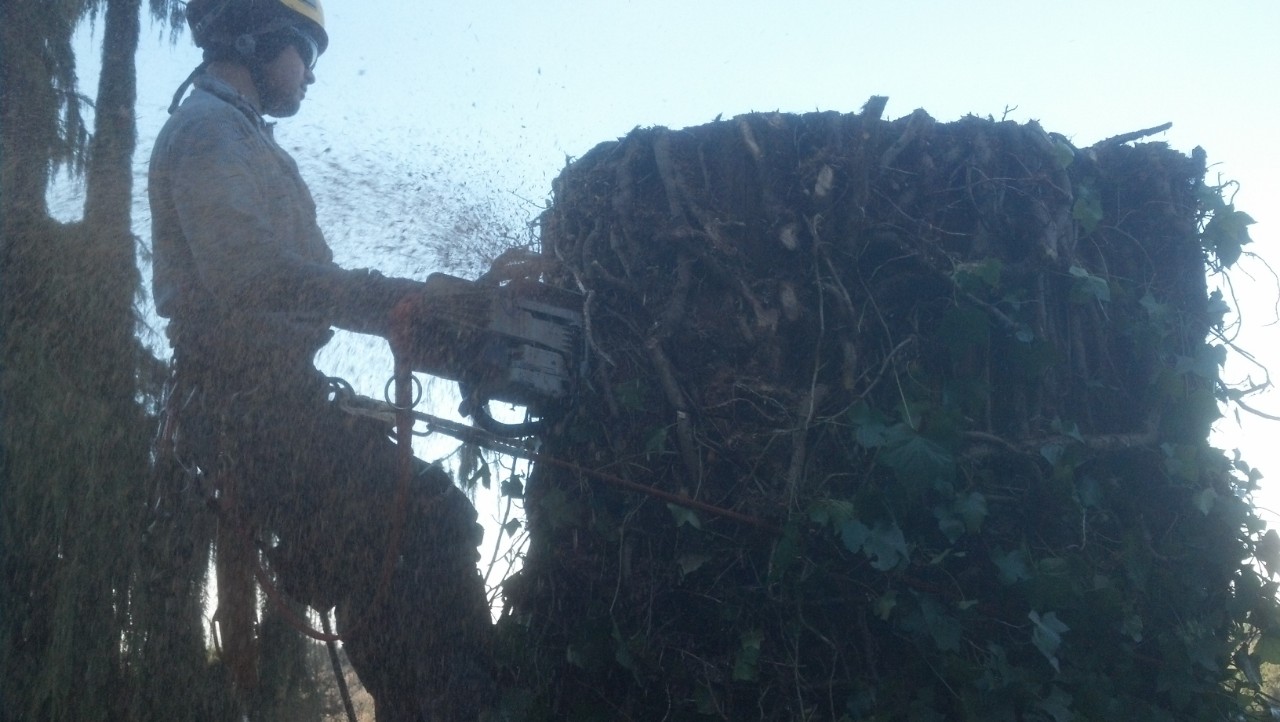
Crown reduction is a sensitive pruning technique for big and mature trees. Just as the name implies, this will entail cutting parts of the crown to shape the tree. The objective of this technique is to shed off the excess weight for the ends of the branches. This allows the branches to grow laterally and a new crown will be formed. Tree thinning will also be used to eliminate any branches that have defects. At the end of the process, we will leave your trees with a smaller crown.
We have a great team of experts, led by our qualified and certified arborist. Performing greater Seattle tree crown reduction is a serious task and needs to be handled by skilled experts. With our experience, we will be in a position to reduce the crown proportionately, and not compromise the structural integrity of the tree. Even in cases where your trees are too close to each other or even buildings, you can rest assured that we will carry out this task professionally and safely.
The Importance of Greater Seattle Tree Crown Reduction
As your trees grow older and become bigger, pruning will be required as part of its proper maintenance. You may notice that some of the branches have cracks, and some may be decaying. Crown reduction is an effective pruning technique that we will offer, which allows us to enhance the shape of the tree while promoting proper growth. When the crown is reduced, it serves as a preventative measure which allows the trees to withstand storm damage.
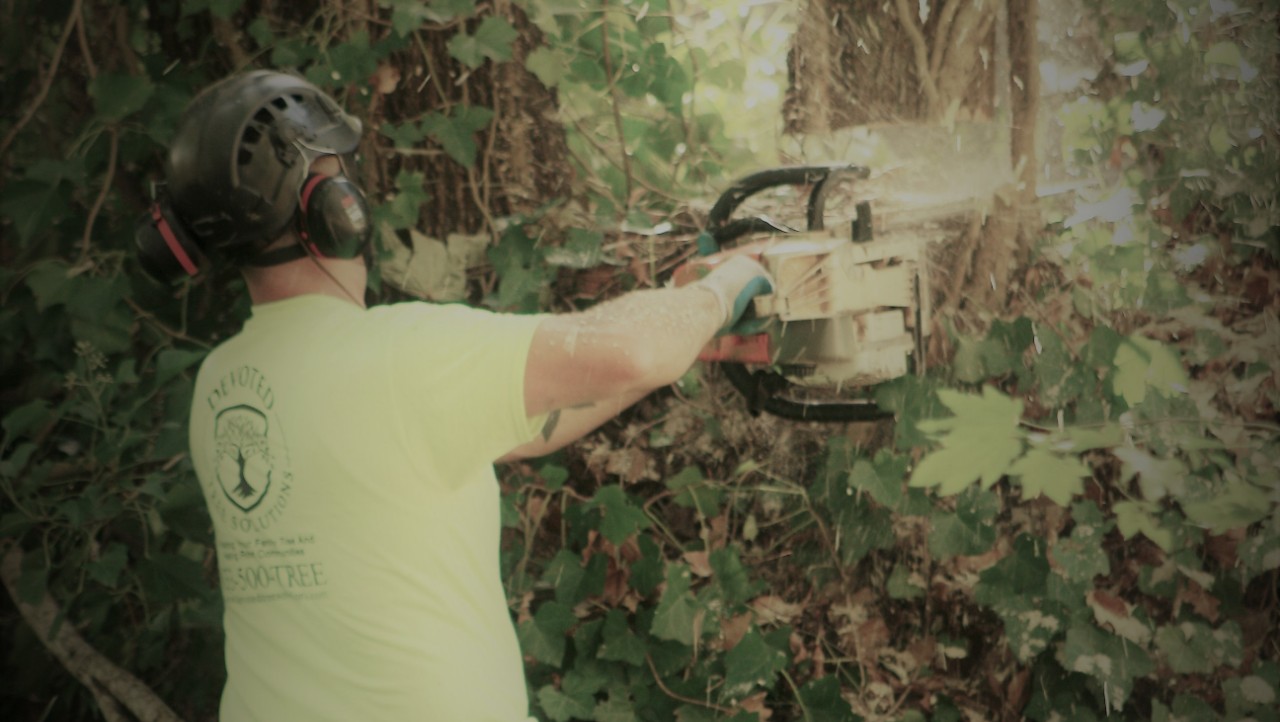
Poor tree thinning will affect the integrity of the tree and you may end up needing to cut it down. This is a sensitive pruning technique that requires a lot of skills and expertise. Our arborists understand the biology of trees and will give guidance on the specific areas that need to be cut. We have skilled climbers that will get to the crown of your trees safely. We also have modern professional equipment that allows us to get to the top of the tree without any problem.
Seattle Tree Crown Reduction Experts
At Devoted, we are committed to making our community more beautiful with each passing day. When you entrust the care of your trees to us, you can rest assured that we will treat them as our own. With our professional crown reduction techniques, we will ensure that your tree maintains perfect balance and health. Talk to our knowledgeable experts for professional tree services today.
Reduction Is Not Topping
A crown reduction shortens limbs back to a living lateral branch big enough to take over as the new leader. Topping cuts them back to stubs. One is a recognised operation under ANSI A300. The other is explicitly prohibited by it.
The difference matters because of what the tree does next. Cut back to a proper lateral and the tree keeps a functioning branch structure and seals the wound. Cut to a stub and it has no growing point left, so it throws water sprouts — fast, dense, weakly attached shoots — and within about five years the tree is taller than before you started, with worse attachments and decay working down from every stub.
We do not top trees. If someone has quoted you for it, that is a reason for a second opinion, not a cheaper option.
What Reduction Is Actually For
The point is almost always sail. A mature Douglas fir presents an enormous surface to a southerly gale, and the force on the root plate goes up sharply with wind speed. Take a percentage of the canopy off the top and outer edges and you meaningfully reduce the leverage on a root plate that is sitting in saturated ground. If you are not sure which trees on your lot carry that risk, our autumn storm-prep check runs through the signs.
It is the right call when:
- A tall conifer is within falling distance of the house and you want the risk down without losing the tree.
- A tree is on a marine bluff or a slope, where the roots are doing structural work and removal would make the slope less stable, not more.
- The canopy has become top-heavy and end-weighted after years of no maintenance.
- A tree has already lost a major limb and the remaining crown is unbalanced.
The 25% Ceiling
ANSI A300 caps live canopy removal at 25% in a single season. That is a real constraint and it is why an honest reduction is sometimes staged over two or three years rather than done in one visit. A crew willing to take 50% off in an afternoon is not giving you a better deal — they are giving you a tree that will spend the next decade recovering.
Species matters too. Conifers tolerate reduction far less well than broadleaves, because most of them cannot resprout from old wood. On a Douglas fir or a western red cedar there is a limit past which the answer stops being reduction and becomes removal, and we will tell you when you are at it.
Reduction, Thinning, or Removal?
- Reduction — you want the tree shorter or less end-weighted. Reduces sail and leverage.
- Thinning — you want wind to pass through rather than the tree to be smaller. Covered under pruning. Often the better answer, and cheaper.
- Removal — the tree is too close, too far gone, or reduction would take more than the species can carry. See tree removal.
Plenty of the trees we are asked to reduce actually need thinning and deadwooding, which costs less. The free assessment is where that gets sorted out.
Timing and Aftercare
Reduction work on conifers is best done outside the hottest part of summer, and outside the period when a stressed tree is most attractive to bark beetles. Deciduous trees are easiest to assess and cut when the canopy is bare.
A reduced tree is on a cycle, not finished. It will want looking at every three to five years to keep the new growth structured, which is what a maintenance plan covers.